Sourcing car batteries from China: a distributor’s checklist
How to tell a factory from a trader, what to fix in the contract, how to inspect before shipment, and how lead-acid batteries ship by sea under the current dangerous-goods rules.

In short
- Buy from the factory where you can: check the business licence, the IATF 16949 certificate and the production line itself, by visit or live video.
- Write the test standard into the contract. Ah, CCA and reserve capacity mean little unless you name the standard they are tested to.
- Inspect before the container is sealed: sample weight, voltage, dimensions, labels and date codes, and keep the report.
- Filled lead-acid batteries ship by sea as dangerous goods (UN2794, Class 8). Paperwork that does not match the cargo is a common reason bookings are refused.
Search for a car battery manufacturer in China and the first results are lists of “top ten factories” written by the factories themselves. That does not help a distributor in Lagos, Manila or Guayaquil decide whom to trust with a container of stock and their own reputation. This checklist covers what experienced importers check, in the order they check it.
1. Factory or trading company?
Traders are not bad partners, but you should know which one you are dealing with, because a trader cannot control what the factory builds. Five ways to tell:
- Business licence scope. A manufacturer’s licence covers production of lead-acid batteries, not only sales.
- Certificates in the factory’s own name. IATF 16949 (the automotive quality standard), ISO 9001 and ISO 14001. Verify the certificate number with the body that issued it.
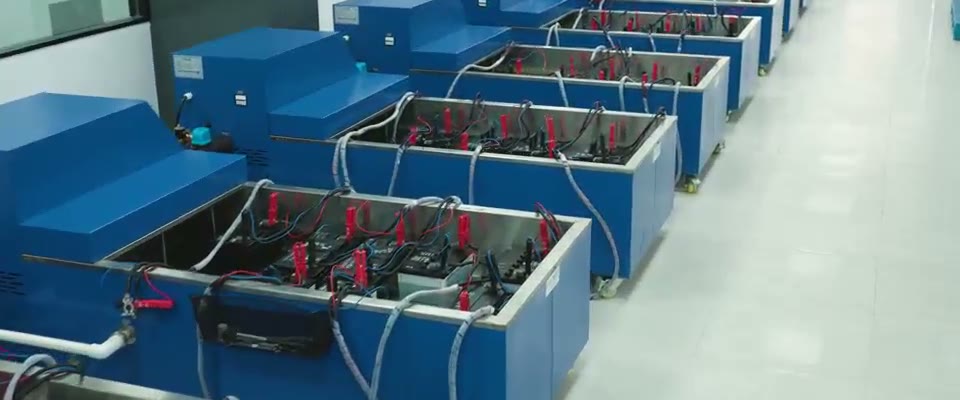
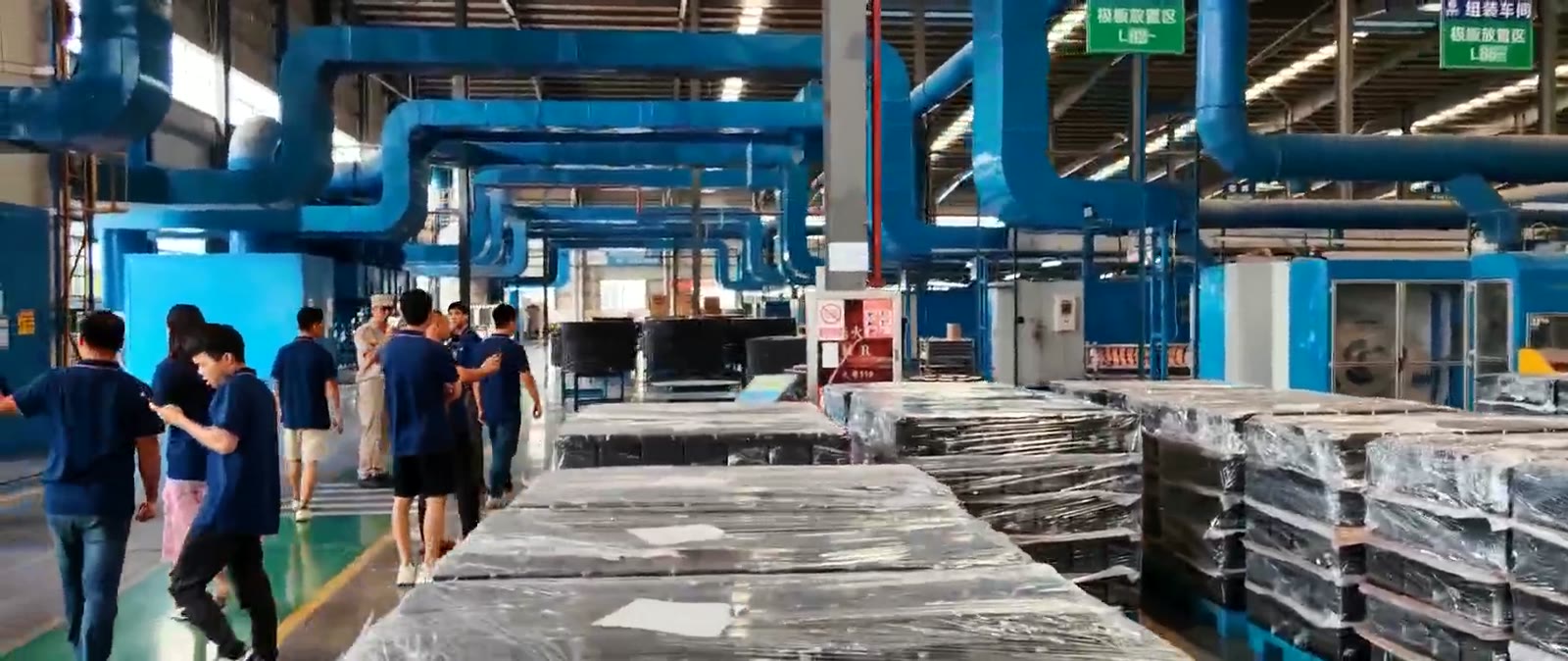
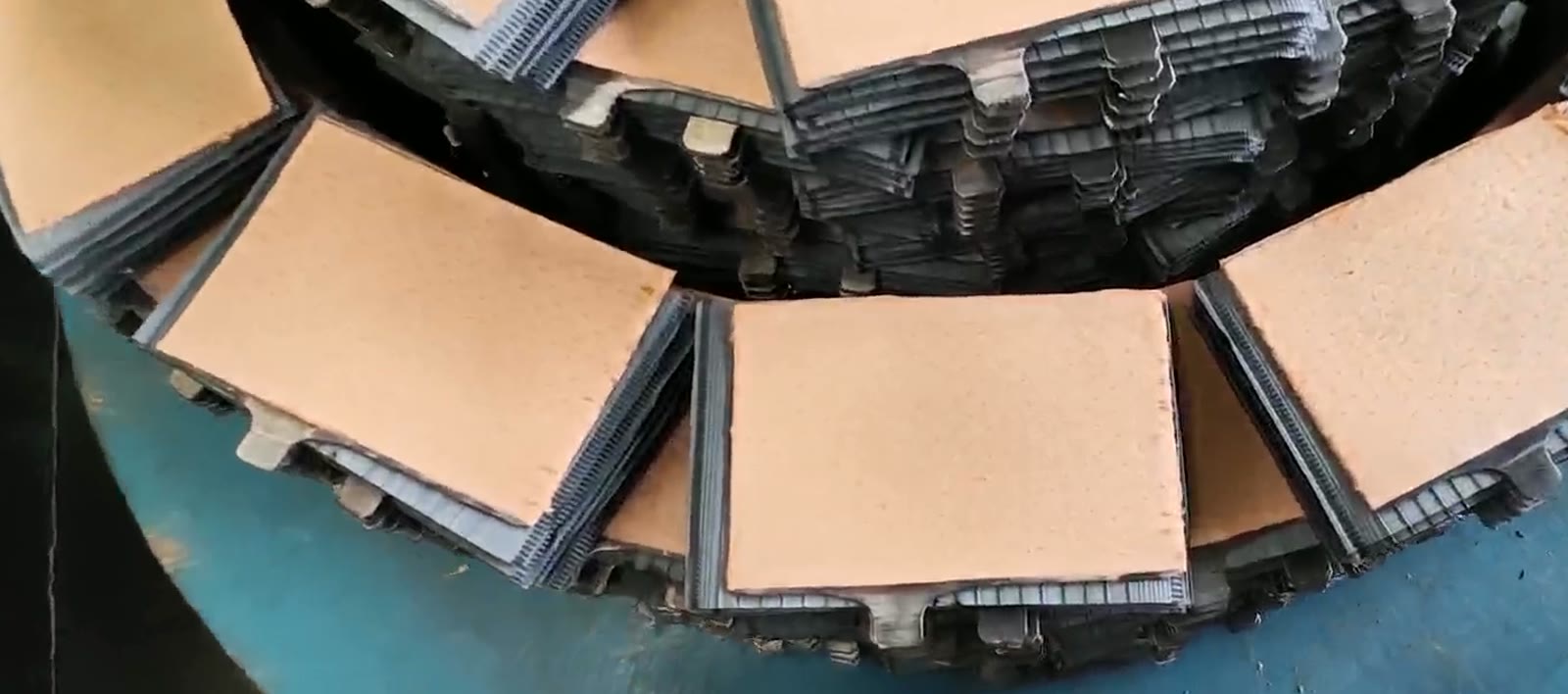
- The whole process in-house. Grid casting, paste mixing, curing, formation, assembly and testing. A factory that buys in formed plates controls less.
- A live video walk-through of the line, if you cannot visit, with the person on camera answering questions as they walk.
- Export history. References from distributors in markets like yours, and labels and languages they already supply.
2. What to fix in the contract
Numbers on a label mean little without the test behind them. Put these in writing for every model:
| Item | Why |
|---|---|
| Test standard | JIS D 5301, EN 50342-1 or SAE J537. CCA under each standard is a different number for the same battery. |
| Capacity (20-hour Ah) and CCA | The two figures customers compare. State minimums, not just nominal values. |
| Reserve capacity | Matters in hot, traffic-heavy cities. |
| Weight and tolerance | The quickest check that the plates are what was agreed. |
| Dimensions, terminals, layout, hold-down | A battery that does not fit cannot be sold. See how to read size codes. |
| Label artwork and date code | Your brand or the maker’s, in the right languages, with a traceable date code. |
| Warranty and claims | The period, how claims are proven (photos, test printouts) and how they are settled. |
3. MOQ, mixed containers and private label
Minimum orders vary by factory, by model and by branding. Stock models carrying the maker’s brand can often be mixed in one container, which lets a new distributor test several sizes. Private-label batteries need a mould for the lid print or labels and a run per model, so the minimum per model is usually higher. Ask each supplier for its terms in writing, including lead time from deposit to loading.
4. Quality control before the container is sealed
- Approve samples and, if you can, have them tested by an independent lab for capacity and CCA under your chosen standard.
- Pre-shipment inspection by your own agent or an inspection company, sampling cartons at random: weight, open-circuit voltage, dimensions, terminals, labels, date codes and appearance.
- Loading check: batteries upright, layers separated, pallets secured, nothing that can short the terminals.
- Keep the report with the shipment documents. It settles disputes later.
5. Shipping lead-acid batteries by sea
Car batteries are dangerous goods at sea. The essentials, which your forwarder will confirm for the carrier and route:
- Filled, spillable batteries (most flooded and maintenance-free car batteries): UN2794, Class 8 corrosive, packed under IMDG packing instruction P801.
- Non-spillable batteries that pass the vibration and pressure tests (many AGM batteries): UN2800.
- Packing: upright, terminals protected against short circuit, firmly secured on pallets, Class 8 labels, and an acid-resistant liner where the carrier asks for one.
- Documents: dangerous-goods declaration, safety data sheet and packing certificate, all matching the cargo exactly. Amendment 42-24 of the IMDG Code has been mandatory since 1 January 2026, and forwarders report bookings refused where paperwork and cargo do not match (Carraglobe).
How many batteries fit in a container depends on the models: weight, not volume, is usually the limit. Ask for a loading plan per model before ordering.
6. Filled or dry-charged for long routes and hot warehouses
Filled maintenance-free batteries arrive ready to sell, but they self-discharge on the way and in storage, faster in heat; plan to check voltages on arrival and recharge where needed. Dry-charged batteries keep longer and avoid some dangerous-goods handling, but must be filled with acid of the right strength and charged before sale. More on the trade-offs in maintenance-free vs conventional.
7. Payment, lead time and after-sales
Agree in writing: payment terms (a deposit with the balance against shipping documents is common), lead time from deposit to loading, who pays for claims and how, and how quickly the factory answers technical questions in your language.
Questions to ask any supplier
- Can I see your business licence and IATF 16949 certificate?
- Which steps of production do you do yourselves?
- Which test standard are your Ah and CCA figures based on?
- What does each model weigh, and with what tolerance?
- What is your MOQ per model, branded and private label, and can I mix models?
- How do you pack and document batteries for sea freight?
- How are warranty claims proven and settled?
- Who else do you supply in my region?
About NAIFU
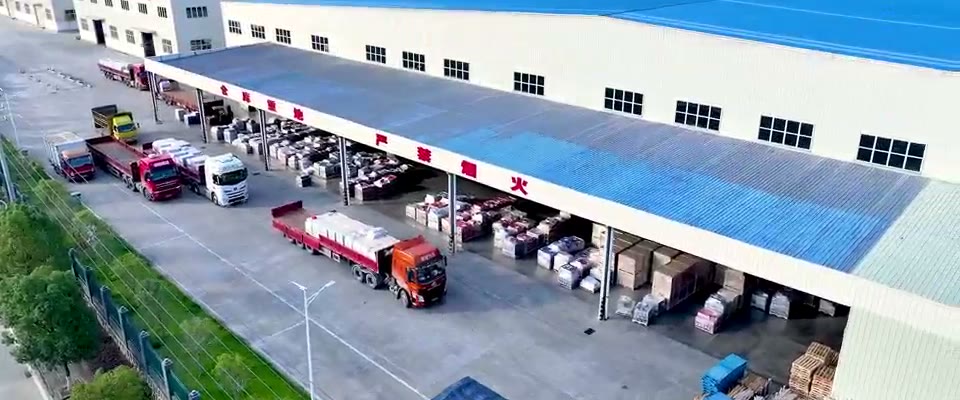
NAIFU has made lead-acid batteries since 1993. Our 350,000 m² plant in Ganzhou, Jiangxi casts its own grids, mixes paste, cures, forms, assembles and tests on site, and builds about 40,000 batteries a day under ISO 9001, IATF 16949 and ISO 14001. The range covers 120 maintenance-free LSI sizes in JIS, DIN/EN and BCI cases, plus EFB and AGM for start-stop, and we work with distributors across Southeast Asia, Africa, the Middle East and the Americas in English, Spanish, Portuguese, French and Chinese. Walk through the factory, browse the full catalogue, or send an enquiry with your market and sizes.
Questions buyers ask
How do I verify a Chinese battery factory?
Check that the business licence covers battery manufacturing, verify its IATF 16949 certificate with the issuing body, and see the plant: grid casting, pasting, curing, formation and assembly should all be in-house. A live video walk-through works if a visit is not possible. Ask for export references in markets like yours.
What is the typical MOQ for car batteries from China?
It varies by factory, by model and by branding. Plain stock models can often be mixed in one container; private-label batteries usually need larger volumes per model. Ask each supplier for its terms in writing.
How are lead-acid car batteries shipped by sea?
Filled, spillable batteries ship as UN2794, Class 8 corrosive, under IMDG packing instruction P801: upright, terminals protected against short circuit, secured on pallets, with Class 8 labels. Non-spillable batteries that pass the required tests ship as UN2800. Your forwarder confirms the current carrier rules.
Should I import dry-charged or filled batteries?
Filled maintenance-free batteries are ready to sell and give fewer problems at the counter. Dry-charged batteries keep longer in transit and storage but must be filled and charged correctly before sale. Choose by transit time and the skills of your workshops.
How many car batteries fit in a 20-foot container?
Weight, not space, usually sets the limit, so it depends on the models in the mix. Ask the factory for a loading plan per model before you order.