Maintenance-free vs conventional car batteries: which is better in a hot country?
What maintenance-free really means, how calcium and silver-alloy grids differ from antimony, whether a sealed battery can be recharged, and what dry-charged means.
In short
- The difference is the grid alloy. Conventional batteries use antimony and lose water; maintenance-free batteries use calcium or calcium-silver and lose very little.
- In hot climates maintenance-free usually lasts longer, because heat drives water loss and grid corrosion, and calcium-silver grids resist both.
- Maintenance-free batteries can be recharged with a normal charger. They need a healthy charging system because calcium grids need a slightly higher voltage to charge fully.
- Dry-charged batteries keep for a long time on the shelf but must be filled with acid and charged correctly before sale.
In many markets the counter question is still “sealed or open?”: a maintenance-free battery, or a cheaper conventional one whose water the driver tops up. The answer depends less on the label than on what is inside, and in hot climates it matters more, because heat drives the water loss that conventional batteries suffer from.
Three types at a glance
| Conventional | Low-maintenance (hybrid) | Maintenance-free | |
|---|---|---|---|
| Grid alloy | Lead-antimony | Antimony positive, calcium negative | Calcium or calcium-silver, both plates |
| Water loss | High | Medium | Very low |
| Topping up | Every few weeks to months | Occasionally | Never |
| Self-discharge on the shelf | Fast | Medium | Slow |
| Heat tolerance | Poor without care | Fair | Good, best with silver alloy |
| Price | Lowest | Middle | Highest of the three |
Why the grid alloy decides it
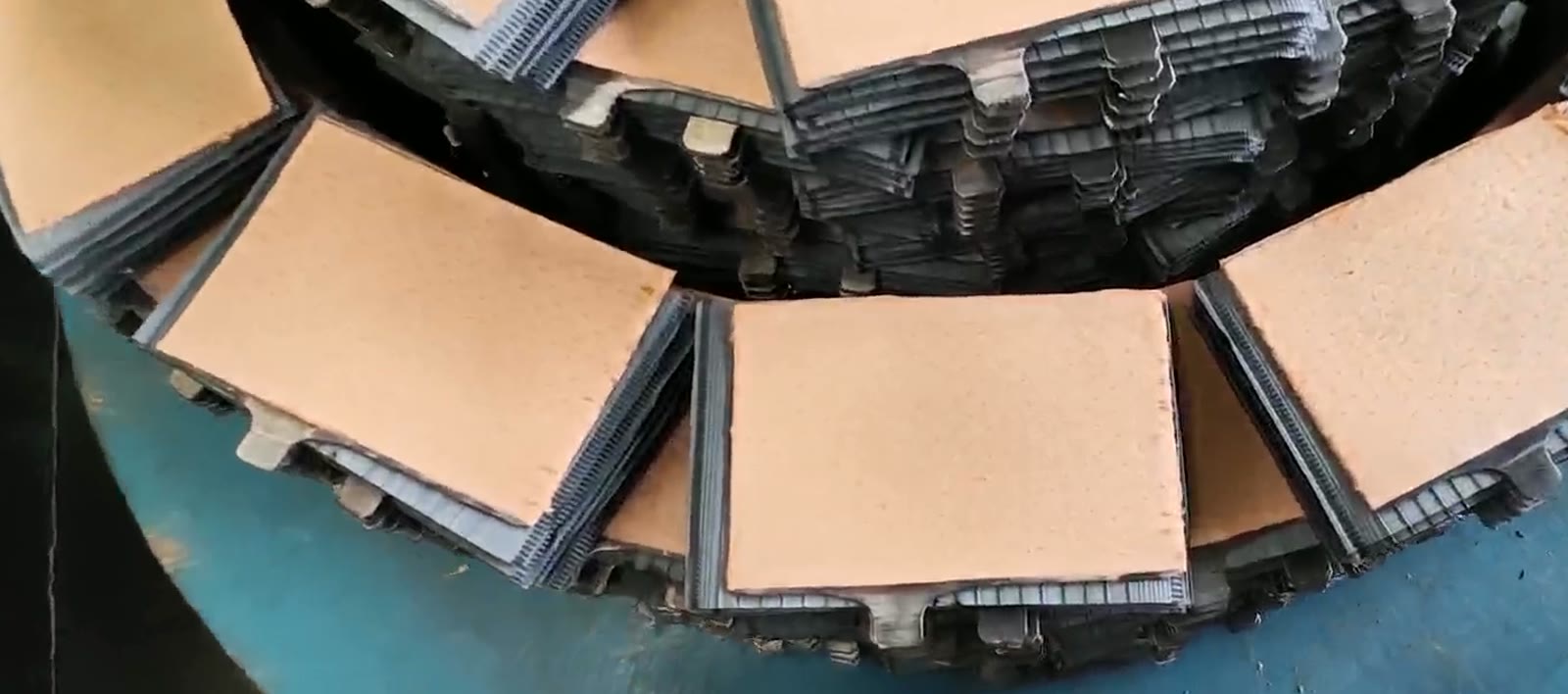
Every plate is built on a metal grid. Antimony makes a grid easy to cast and tough under deep cycling, but it also makes the battery split water into gas during charging, so the acid level drops. Calcium almost stops that gassing, which is what makes a battery maintenance-free. Adding a little silver to the positive grid slows corrosion and grid growth at high temperature, the main way batteries wear out in hot countries. NAIFU’s LSI series uses a silver-alloy grid in all 120 sizes.
Why water loss matters more in the heat
Water loss speeds up with temperature. A conventional battery under a hot bonnet can drop its acid level below the top of the plates within weeks if nobody checks. The exposed plate dries and stops working, the remaining acid becomes stronger and more corrosive, and capacity falls for good. Maintenance-free construction keeps the plates covered for the life of the battery without anyone opening it.
Can a maintenance-free battery be recharged or topped up?
Recharged: yes. Any 12 V charger works; a smart charger with a lead-acid or calcium setting is best. Topped up: no. A sealed lid is not meant to be opened, and the battery is built not to need water. If a maintenance-free battery has lost so much water that its magic eye shows white, it has reached the end of its life.
Reading the magic eye
Most maintenance-free batteries have a small window in the lid, a built-in hydrometer for one cell. On NAIFU batteries:
- Green: charged and in good order.
- Dark: needs charging. Charge it and check the car’s charging system.
- White or clear: electrolyte is low. Replace the battery.
Colours vary between brands, so check the label on the battery in front of you. You can see where the eye sits, and the float that reads the acid, in our 3D battery.
Charging voltage: calcium needs a healthy alternator
Calcium grids need a slightly higher charging voltage than antimony grids to reach full charge. Most modern cars are set up for them. An older car with a weak alternator or a low regulator setting can leave a calcium battery part-charged, and it then sulphates and fails early. When fitting a maintenance-free battery to an older vehicle, check the charging voltage against the vehicle’s specification.
Dry-charged or factory-filled?
A dry-charged battery leaves the factory with charged plates and no acid. It keeps for a long time in storage, which suits long shipping routes and slow-moving stock. Before sale it has to be filled with acid of the correct strength and given a first charge, and how well that is done at the shop decides how well the battery performs. A factory-filled maintenance-free battery is ready to fit, but it must be kept charged in storage. Sellers sometimes use “dry-charged” loosely, so ask which you are buying.
Which should you choose?
- Drivers in hot climates: maintenance-free, ideally with a silver-alloy grid, unless you are willing to check the water every month.
- Start-stop cars: neither; fit the EFB or AGM the car specifies (see EFB vs AGM).
- Distributors: maintenance-free is easier to sell, has fewer comebacks and stores better. Dry-charged stock can make sense for very long transit, if your workshops fill and charge properly.
Find the size for any vehicle with the battery finder, or talk to our sales team about the mix for your market.
Questions buyers ask
What does maintenance-free mean on a car battery?
It means the battery is built to lose so little water over its life that it never needs topping up. This comes from calcium or calcium-silver grid alloys and a lid that returns acid mist to the cells.
Can you recharge a maintenance-free battery?
Yes. Use a normal 12 V charger, preferably a smart charger with a lead-acid or calcium setting. Do not open a sealed lid to add water.
Is a calcium battery better than a normal one?
For most modern cars, yes: it loses less water, self-discharges more slowly on the shelf and needs no topping up. It needs a charging system in good order, because calcium grids need a slightly higher voltage to reach full charge.
Which lasts longer in hot weather, maintenance-free or conventional?
Usually maintenance-free, especially with a silver-alloy grid. Heat drives water loss in conventional batteries, and plates that dry out stop working. A well-maintained conventional battery can still do well if it is checked often.
What is a dry-charged battery?
A battery shipped with charged plates but no acid. It keeps for a long time in storage, then has to be filled with acid of the right strength and given a first charge before it is sold or fitted.